Roof Tear-Off vs. Shingle Overlay: A Homeowner's Guide
When a severe Texas storm rolls through or your home's roof simply reaches the end of its natural lifespan, you are inevitably faced with a major decision. One of the most common questions we hear from homeowners in Fort Worth is whether they should choose a complete roof replacement or opt for a faster shingle overlay. It is a critical choice that impacts your home's protection, your budget, and the longevity of your investment.
At Ironwood Roofworks, we know that replacing a roof can feel overwhelming. You want to make sure you are getting the best value and protection for your family without falling victim to high-pressure sales tactics or out-of-state storm chasers looking for a quick buck. Deciding between a tear-off and an overlay requires understanding the unique condition of your current home, the materials involved, and local building codes.
In this guide, we will break down the layering shingles over old roof pros and cons, compare roof tear off vs overlay durability, and help you answer that pressing question: should I layer shingles or tear off? By the end, y'all will have the knowledge needed to make an informed, confident decision for your property.
What is a Shingle Overlay?
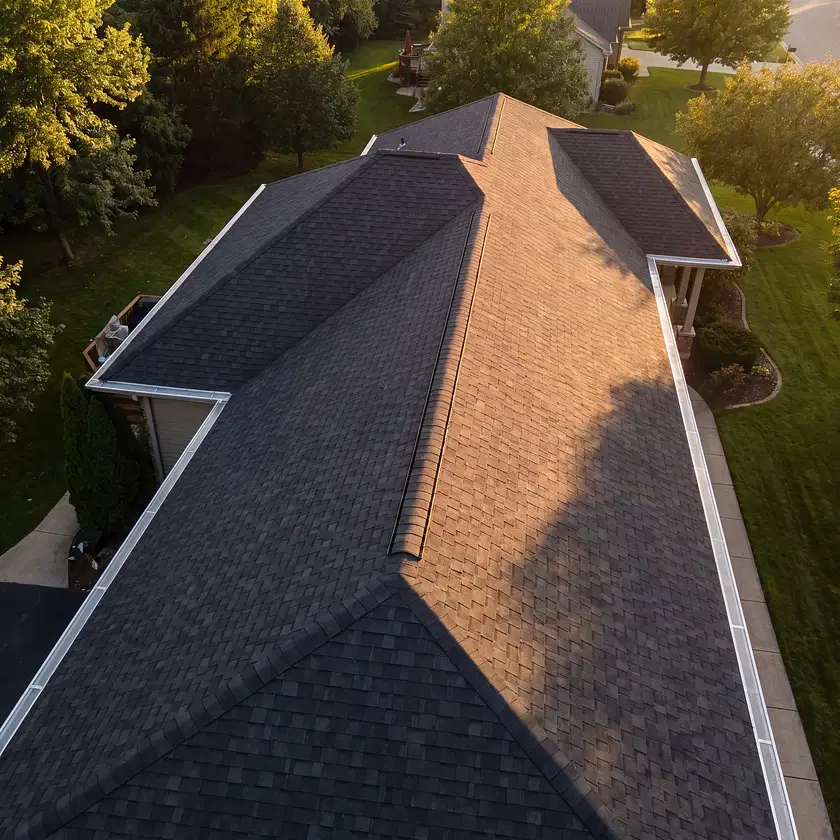
A shingle overlay is exactly what it sounds like: installing a brand-new layer of asphalt shingles directly on top of your existing roof. Because this method skips the labor-intensive process of removing and disposing of the old shingles, it is generally faster and cheaper upfront.
When exploring the layering shingles over old roof pros and cons, the most obvious benefit is the reduced initial cost. It takes fewer labor hours, generates less debris, and can often be completed in a fraction of the time. For a homeowner on a strict budget who needs immediate coverage, it might seem like an attractive option.
However, the cons often outweigh the pros, especially in areas prone to extreme weather. When you place new shingles over old ones, you are essentially flying blind. Roofing companies cannot properly inspect the underlying wooden roof deck for water damage, wood rot, or structural issues. If there is hidden hail damage or a slow leak beneath that original layer, an overlay merely covers up the problem, allowing it to silently worsen over time. Furthermore, the added weight of a second layer of shingles puts extra stress on your home's structural framing. In fact, most local building codes strictly prohibit adding a third layer, meaning an overlay is only a temporary delay of a much more expensive future project.
The Complete Roof Tear-Off Approach
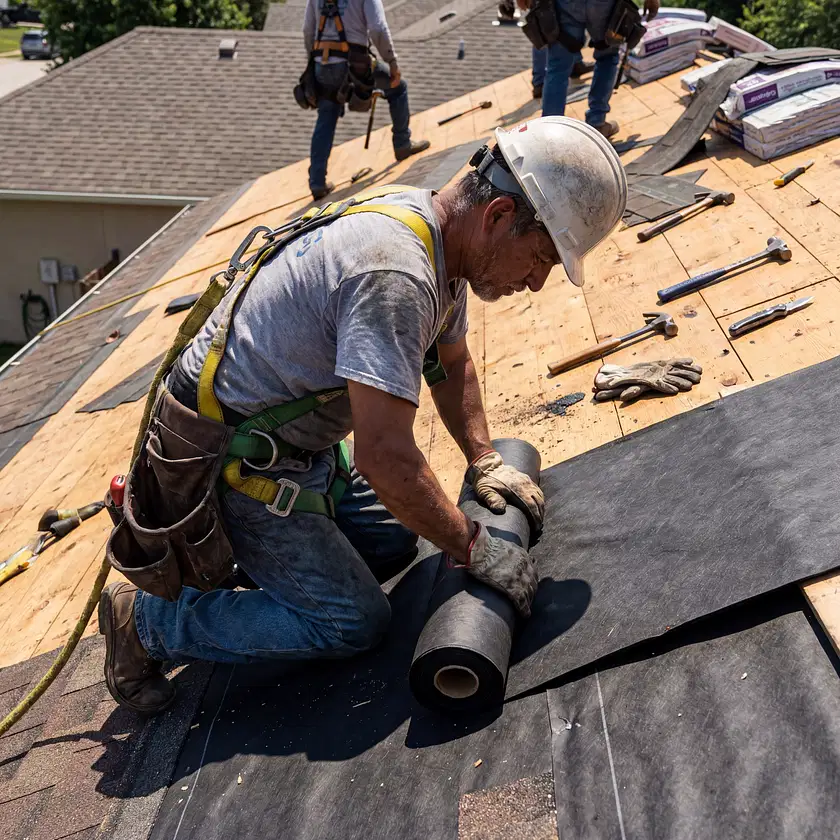
A complete roof tear-off involves removing all existing layers of roofing down to the bare wooden deck. This allows professional roofing services to conduct a thorough inspection of the structural integrity of your roof before installing new materials.
When comparing roof tear off vs overlay durability, the tear-off method wins every time. Removing the old materials gives your contractor a clean slate. They can replace rotten decking, install a high-quality waterproof underlayment, and ensure that every new shingle adheres perfectly flat to the surface. A flat installation is crucial for maximizing wind resistance—something we know is vital during unpredictable spring storms.
While a tear-off requires a higher initial investment and takes slightly longer to complete, it offers unparalleled peace of mind. You will know exactly what is happening beneath your shingles. Plus, a completely new roof installation almost always comes with superior manufacturer warranties. When we perform a thorough roof assessment, we frequently use modern drone technology to show homeowners exactly what is happening on their roof, ensuring complete transparency about why a full tear-off is usually the safest long-term investment for their home.
Should I Layer Shingles or Tear Off?
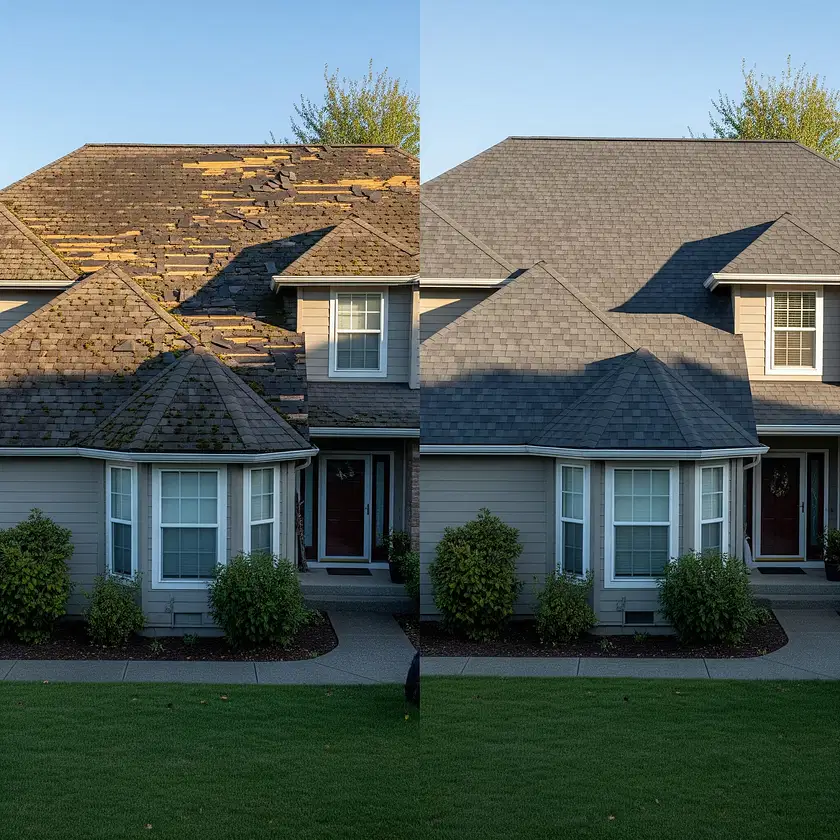
Ultimately, the choice comes down to your home's current condition and your long-term goals. So, should I layer shingles or tear off? For the vast majority of homeowners, we strongly recommend a complete tear-off.
If you are evaluating roofing quotes, you might be tempted by the lower price tag of an overlay. However, it is essential to factor in the lifetime value of the project. An overlay traps heat, which can prematurely age the new shingles and actually void some manufacturer warranties. If your existing roof is curling, missing shingles, or showing signs of underlying water damage, an overlay is simply not a viable option.
Homeowners must also be wary of roofing companies that aggressively push overlays without conducting a proper inspection. Often, out-of-state contractors look for quick turnaround jobs and leave town before any underlying issues become apparent. Choosing a trusted local professional ensures your roof replacement is done to the highest safety and quality standards, protecting your home for decades to come.
Protecting Your Home for the Future
Your roof is your home's primary defense against the elements. While an overlay might save a few dollars today, a complete tear-off is an investment in durability, safety, and long-term peace of mind.
At Ironwood Roofworks, we pride ourselves on delivering honest, transparent guidance tailored to our neighbors across The Metroplex. From identifying hidden storm damage to providing comprehensive residential insurance support, our team is here to handle every step of the process with integrity and professionalism.
If you are noticing signs of wear, leaks, or simply want to know the true condition of your roof, do not wait for the next major storm to find out. Contact us today to schedule a comprehensive roof inspection and let our local experts help you make the best choice for your home.