How Proper Roof Ventilation Prevents Shingle Damage
When the summer sun beats down on Fort Worth, your home's roof is the first line of defense. We all know how intense the heat can get in Cowtown, but what many homeowners do not realize is that the temperature inside your attic can actually climb much higher than the temperature outside. Without a proper way for that trapped heat to escape, it begins to bake your house from the inside out.
While finding the right materials and balancing your overall roofing cost are important when upgrading your home, investing in a well-balanced ventilation system is arguably the most crucial step you can take. A healthy airflow system directly impacts your comfort, your energy bills, and the longevity of your materials. If you are looking into residential roofing solutions, understanding the relationship between attic airflow and structural integrity is the key to making a smart, long-lasting investment.
The Hidden Danger of Heat and Moisture Buildup
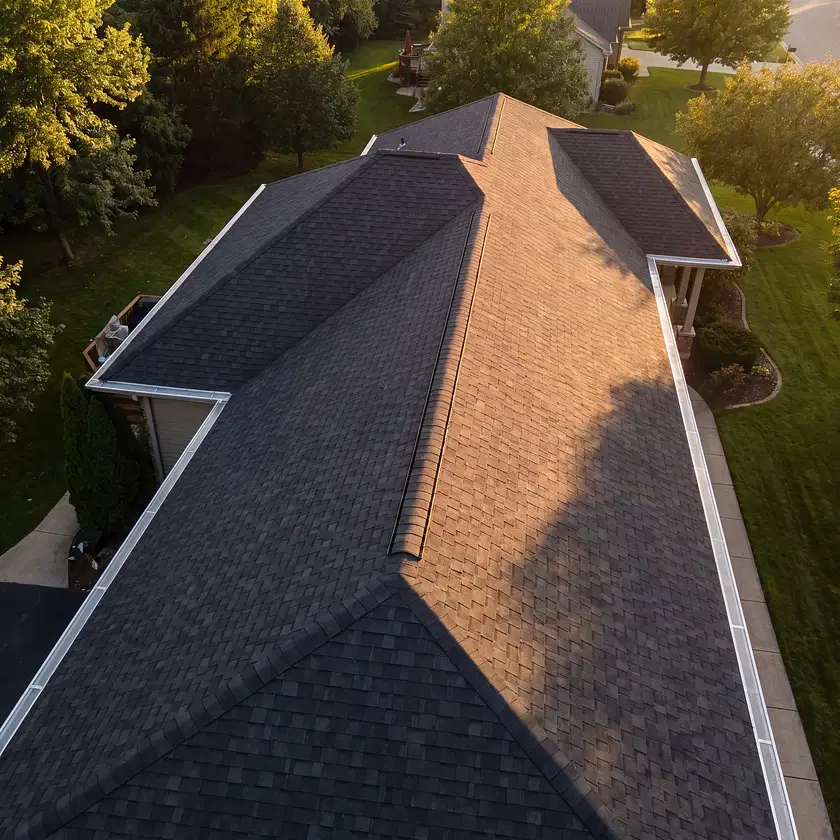
When people think about extreme weather and roofing, they usually picture violent hail storms or high winds. But silent, daily heat accumulation is just as destructive. During the peak of summer, an improperly ventilated attic can easily exceed 150 degrees. This intense, trapped heat radiates directly upward into your roof deck and shingles.
Over time, this constant superheating accelerates the aging process of asphalt materials. You might wonder how roof ventilation extends shingle life—it is quite simple. Proper airflow ensures that the underside of the roof deck remains close to the ambient outside temperature, preventing the adhesive bonds in your shingles from melting and the asphalt from drying out prematurely.
Furthermore, in the cooler months, everyday activities like showering and cooking generate warm, moist air that rises into the attic. Without adequate exhaust vents, this moisture condenses on the cold roof deck, leading to mold growth and wood rot. Whether you are dealing with scorching summers or unpredictable winter freezes, maintaining consistent airflow is the most effective way to protect your home.
Recognizing the Red Flags
One of the most frequent questions we hear from homeowners is how to tell if their property needs a few minor fixes or a complete tear-off. By paying close attention to the signs of inadequate roof attic ventilation, you can often catch issues before they require a total replacement.
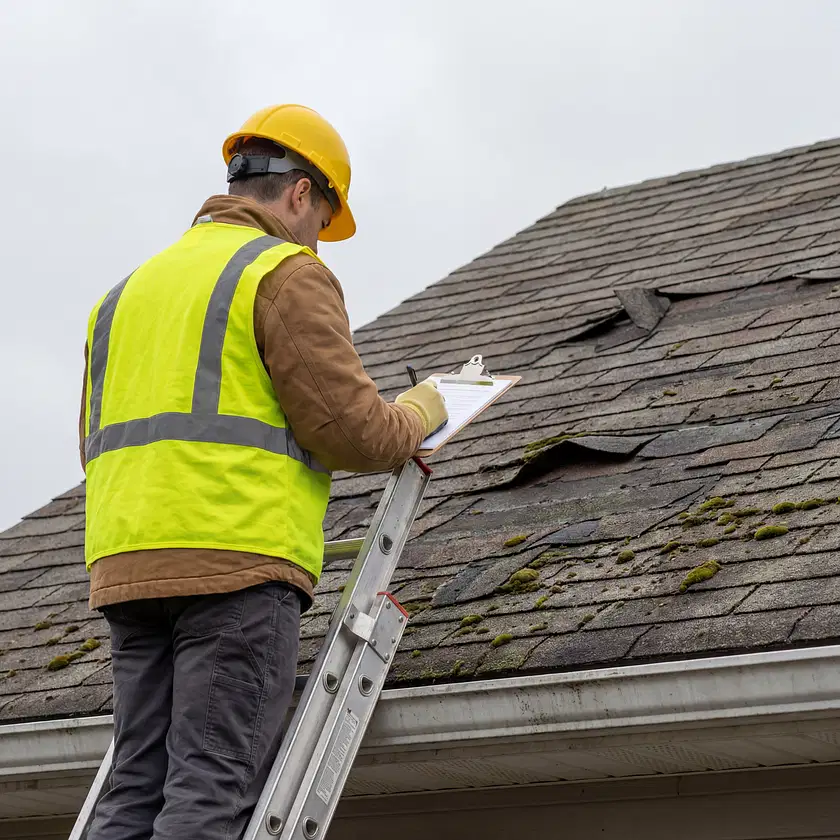
If you take a look at your roof and notice that the edges of the shingles are curling, cracking, or blistering, trapped attic heat is likely the culprit. The extreme temperature causes the materials to warp and shed their protective granules much faster than their expected lifespan. You might also notice secondary signs inside your home, such as unexpectedly high air conditioning bills or water stains on your ceiling, indicating that condensation is forming in the attic.
Catching these warning signs early is essential. If you are unsure about the condition of your current setup, scheduling a professional roof inspection is the safest way to assess the damage. A thorough evaluation can pinpoint exactly where the airflow is being choked off, saving you from much larger expenses down the road.
Modern Solutions to Outdated Problems
Correcting poor attic airflow roof damage is not a guessing game. Today, reputable roofing companies utilize modern technology to evaluate your property with precision. Instead of relying purely on visual estimates from the ground, professional teams often deploy high-resolution drones and AI-assisted measurement tools. This means you get to see exactly what the technicians see, providing complete transparency and protecting you from the high-pressure tactics often used by out-of-state storm chasers.
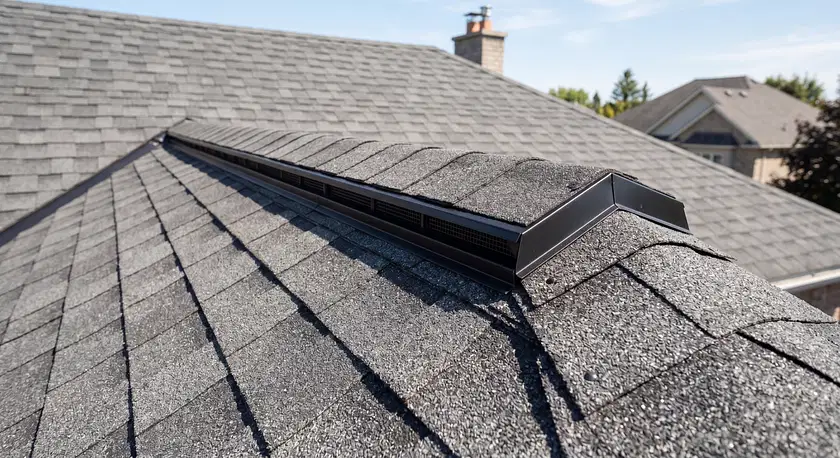
A comprehensive solution usually involves a combination of intake vents (typically located in the soffits or eaves) and exhaust vents (placed at or near the ridge). This natural thermal routing allows cool air to enter at the bottom and hot air to push out through the top. If your home has suffered from years of poor circulation, addressing the ventilation must be prioritized alongside any structural roofing repair to ensure the new materials do not suffer the same fate as the old ones.
By integrating routine roof maintenance into your home care schedule, you can keep your soffits clear of debris, ensure your baffles remain intact, and verify that your ridge vents are operating at peak efficiency.
Securing Your Home for the Future
Your roof is a complex system of interconnected parts, and ventilation is its lungs. By ensuring that your home can breathe properly, you protect your structural decking, extend the lifespan of your shingles, and create a much more energy-efficient living space for your family.
At Ironwood Roofworks, we believe that y'all deserve honest, transparent assessments backed by the latest diagnostic technology. As a local business deeply rooted in The Metroplex, we know exactly what it takes to build a roofing system that can withstand our unique climate. We skip the sales gimmicks and focus entirely on delivering quality workmanship, clear pricing, and a Texas-sized commitment to customer satisfaction.
If you suspect your attic is holding onto too much heat or you simply want the peace of mind that comes with a professional evaluation, reach out to our team today. We are here to provide reliable, high-quality roofing services that keep your home safe, beautiful, and well-ventilated for decades to come.